Valentine’s Day is more than just a date on the calendar; it is a global heartbeat of affection. Whether you are a hopeless romantic, a fan of “Galentine’s” with friends, or practicing self-love, this guide serves as your comprehensive roadmap to a meaningful February 14th.
Executive Summary
In 2026, Valentine’s Day remains a cornerstone of cultural and economic life, with global spending reaching record highs. This guide explores the holiday’s transition from a Roman ritual to a modern experience-driven celebration. We provide data-backed insights, curated gifting strategies for every relationship stage, and actionable steps to ensure your celebration is as stress-free as it is memorable.
1. The Origins of Romance: A Historical Perspective
The story of Valentine’s Day is a journey through time, blending sacrifice, poetry, and the evolution of human connection.
The Legend of St. Valentine
The most enduring legend dates back to the 3rd century under Emperor Claudius II in Rome. When the Emperor banned marriage for young men to ensure a more focused military, Bishop Valentine performed secret marriages in defiance. He was eventually martyred on February 14th, but not before sending a final note signed, “From your Valentine.”
The Literary Spark
While the Romans had Lupercalia, it was actually Geoffrey Chaucer in the 14th century who first linked the day to romantic love in his poetry. By the Victorian era, the “Penny Post” made it possible for anyone to send lace-trimmed paper valentines, turning a private sentiment into a public tradition.
2. The Economics of Love: Modern Spending Data
To understand the scale of the holiday, we must look at the numbers. In the United States alone, annual spending frequently exceeds $25.8 billion.
- Average Spend: The average consumer spends approximately $190 on partners, children, and even pets.
- Experience Over Objects: 32% of consumers now prefer “experience gifts” like concerts or trips over traditional jewelry.
- The Pet Trend: Spending on “furry valentines” has increased by 200% over the last decade.
| Category | Estimated Spending (USD) |
| Jewelry | $6.4 Billion |
| Evening Out | $4.9 Billion |
| Flowers | $2.6 Billion |
| Candy | $2.6 Billion |
3. Curated Celebration Ideas: Beyond the Dinner Reservation
Modern romance is moving away from crowded restaurants and toward personalized experiences.
The Adventurous Duo
- Hot Air Balloon Ride: A literal high point for any relationship.
- Mystery Road Trip: Pick a direction, drive for two hours, and explore a town you’ve never visited.
The Homebody Pair
- Interactive Cooking Class: Instead of just ordering in, learn to make handmade pasta or sushi together.
- Thematic Movie Marathon: Create a DIY “concession stand” with your favorite snacks and revisit the films that defined your relationship.
Valentine’s Gift Ideas
-
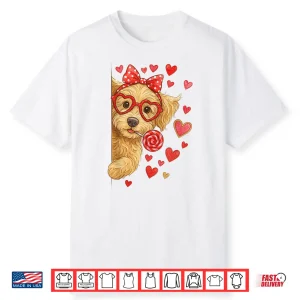
Goldendoodle Valentine Doodle Mom Coquette Pink Bow Shirt
-
Girl Women Shirt
-
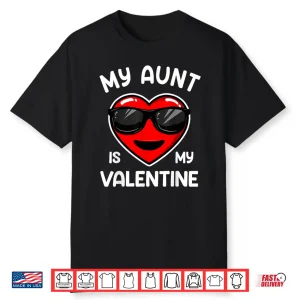
My Aunt Is My Valentine Heart Sunglasses Boy Girl Shirt
-
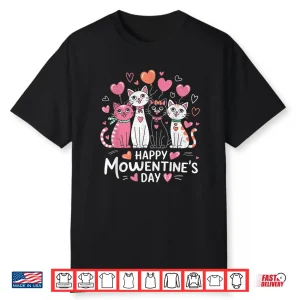
Cat Lover Kitten Happy Valentine Day Men Women Kid Shirt
-
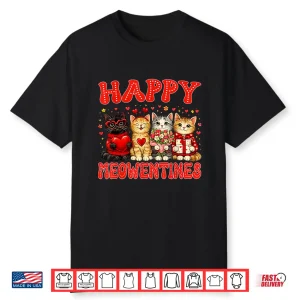
Happy Meowentines Cute Cat Valentine Men Women Kids Girls Shirt
-
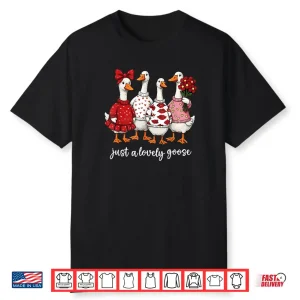
Just A Lovely Goose Cute Silly Goose Valentine’s Day Shirt
4. The Art of Gifting: Inspiration for Every Relationship Stage
Gifting is about matching the gesture to the “tenure” of the relationship.
- New Relationships (0-6 Months): Keep it low-pressure. A high-quality coffee blend or a pair of tickets to a local museum is thoughtful without being overwhelming.
- Established Partners (1-3 Years): Focus on personalization. Custom maps of “where we met” or high-end loungewear show you know their tastes.
- Long-Term Partners (5+ Years): Invest in shared memories. A weekend getaway or an heirloom-quality piece of jewelry celebrates your history.
5. Global Traditions: How the World Celebrates
Love is a universal language, but the “dialect” varies by country:
- Japan & South Korea: Women give chocolates on Feb 14th. Men return the favor on “White Day” (March 14th).
- Wales: They celebrate St. Dwynwen’s Day on Jan 25th by gifting handcrafted wooden “Love Spoons.”
- Denmark: Friends exchange “gaekkebrev” (joke letters). If the recipient guesses the sender, they win an Easter egg later in the year.
6. Conclusion and Actionable Next Steps
Valentine’s Day is ultimately what you make of it. Whether it’s a grand gesture or a quiet conversation, the most successful celebrations are those that prioritize intentionality over expense.
-
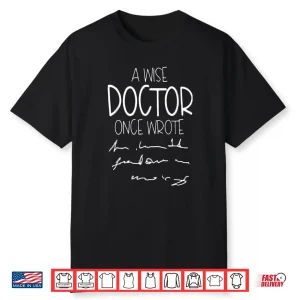
A Wise Doctor Once Wrote Funny Medical Doctor Handwriting Shirt
-
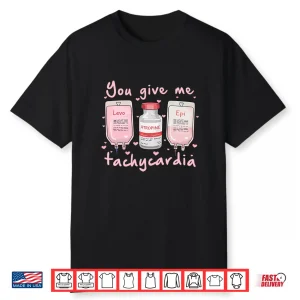
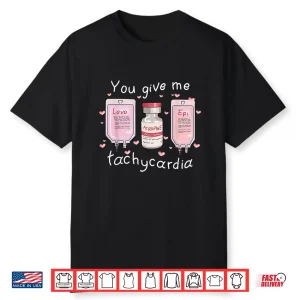
You Give Me Tachycardia Nurse Valentine’S Day Long Sleeve Shirt
-
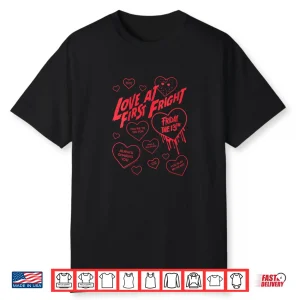
Women’S Friday The 13Th Love At First Fright Valentine’S Day Hearts V Neck Shirt
-
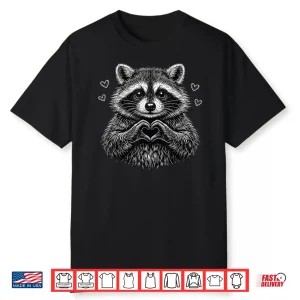
Valentine’S Day Raccoon Love Feral But Cute Heart Women Girl Shirt
-
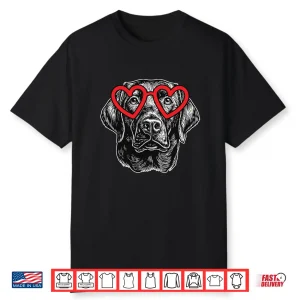
Valentine’S Day Labrador Retriever Cute Valentine Dog Heart Shirt
-
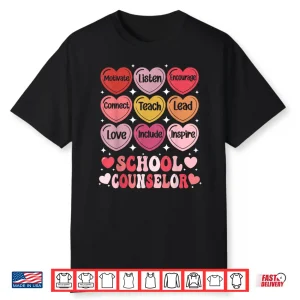
School Counselor Valentine’S Day Counseling Positive Hearts Shirt
-
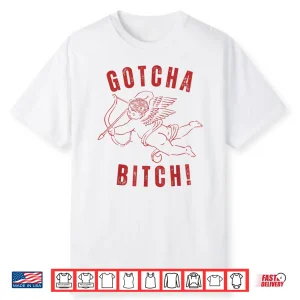
Retro Gotcha Bitch Funny Cupid Valentine’S Day Shirt
-
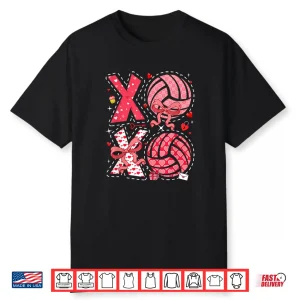
Pink Costume Volleyball Balls Bow Tie Hearts Valentine’S Day Shirt
-
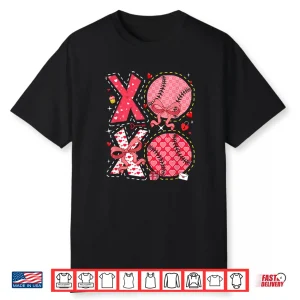
Pink Costume Softball Balls Bow Tie Hearts Valentine’S Day Shirt