
Beyond the Fabric: The Profound Lifelong Impact of Quilting on Personal Resilience and Focus is a testament to the idea that the objects we craft with our hands are merely the byproducts of a much deeper, internal architecture. In a world characterized by digital noise, rapid consumption, and the relentless pressure of constant connectivity, the act of quilting serves as a quiet, radical rebellion. It is a commitment to the tangible, the methodical, and the persistent. By exploring the intersections of cognitive neuroscience, the psychology of flow, and the historical stewardship of textile arts, we uncover how the consistent practice of quilting builds a reservoir of inner strength and cognitive clarity that sustains the artisan through every season of life.
The Neurology of the Needle: Building a Resilient Mind
While quilting is often viewed through the lens of domestic tradition or artistic expression, its most significant impact is neurological. Engaging in the repetitive, goal-oriented, and sensory-rich process of quilting triggers a series of brain states that are essential for long-term mental health and cognitive resilience.
The Mechanism of Flow
Psychologist Mihaly Csikszentmihalyi famously described the “flow state” as an optimal experience—a moment of complete absorption where the ego disappears, time loses its meaning, and the individual becomes one with the task. Quilting is a primary vehicle for this state. When a quilter focuses on the geometric precision of a patchwork block or the rhythmic motion of a long-arm machine, the brain’s “default mode network”—the area responsible for self-critical, ruminative, and anxious thinking—is effectively quieted. By replacing the chaos of internal chatter with the structured, rhythmic demands of the craft, we are not just making a blanket; we are training our brains to enter a state of deep, calm focus on command.
Cross-Hemispheric Integration
The physical act of quilting is uniquely bilateral. It requires the coordinated movement of both hands, the spatial visualization of complex patterns, and the tactile adjustment of fabric layers. This constant engagement of both hemispheres of the brain strengthens the corpus callosum, the structure that bridges the left and right brain. This connectivity is vital for cognitive resilience. It allows us to approach life’s problems with both the analytical rigor of the left brain and the holistic, intuitive creativity of the right, leading to better decision-making, improved problem-solving capabilities, and a more integrated, grounded sense of self.
The Philosophy of the Stitch: Persistence as a Life Skill
Beyond the Fabric: The Profound Lifelong Impact of Quilting on Personal Resilience and Focus teaches us that the greatest lessons are found in the seams. Every project is a microcosm of a human life, filled with starts, stops, errors, and breakthroughs.
The Lesson of the Unpicked Seam
In our modern professional lives, failure is often treated as a finality. We fear the mistake because we fear the consequence. Quilting, however, teaches the grace of the unpicked seam. When a quilter makes a mistake, they do not discard the project; they carefully remove the thread, correct the error, and move forward. This simple, repetitive action is a powerful training ground for personal resilience. It teaches us that “failure” is never the end of the narrative; it is merely data. By normalizing the correction of errors, we develop a “growth mindset” that allows us to approach challenges in our personal and professional relationships with humility, persistence, and the calm assurance that progress is always possible.
The Cumulative Power of Small Actions
We often feel overwhelmed by the “bigness” of our goals—the career advancement, the personal development, the family milestones. Quilting offers a direct antidote to this anxiety: the understanding of cumulative progress. An intricate quilt is never finished in a single sitting; it is the result of thousands of tiny, successful actions. When we recognize that a complex masterpiece is built one stitch at a time, we learn to apply this perspective to our broader goals. We learn to value the process of showing up, the importance of consistent effort, and the reality that great things are simply the sum of many small, intentional choices.
Stewardship: The Ethos of the Dedicated Quilter
True resilience is not just about personal survival; it is about the stewardship of the values and traditions that sustain us. The dedicated quilter recognizes that they are a temporary custodian of a craft that has been refined over centuries.
Preserving Human-Centric Intelligence
In an era dominated by AI and synthetic production, there is a profound, spiritual value in human-made objects. The “imperfections” of a handmade quilt—the slight variation in a stitch, the unique choice of color, the time-intensive labor—are the marks of human presence. To continue this craft is to assert the value of human focus, human labor, and human tactile intelligence. This stewardship is an act of defiance against the culture of disposability. It fosters a deep sense of purpose, knowing that our work has a tangible, physical legacy that will endure long after we are gone.
The Quilting Bee as Social Infrastructure
The impact of quilting extends outward into the community through the tradition of the quilting bee. These gatherings are more than social events; they are vital pieces of social infrastructure. In the space of the quilting circle, the pressures of the external world are set aside. We share our struggles, exchange technical wisdom, and offer emotional support in a way that is facilitated by the shared, rhythmic task. This social connection is a critical component of personal resilience, providing us with a mirror to our own experiences and a reminder that we are never navigating our difficulties alone.
Beyond the Fabric: Applying the Quilting Mindset to Daily Life
How do we take the lessons learned at the quilt frame and apply them to the chaotic reality of our everyday lives? The answer lies in developing a “Quilter’s Mindset”—a toolkit for maintaining integrity, focus, and heart in every project we undertake.
1. The Anchor of Intentionality
Before every session, the quilter sets an intention: Today, I will focus on the precision of these seams. This intentionality can be imported into our professional lives. Instead of reactive multi-tasking, we can approach our work with “bounded focus”—allocating specific, uninterrupted periods for deep work. By treating our daily tasks with the same respect we treat our fabric, we regain control over our attention.
2. The Calm of the Controlled Exhale
Just as a quilter uses breath to maintain the rhythm of their work during a difficult intersection, we can use breath to anchor ourselves during stressful life moments. When faced with a challenging conversation or a high-pressure deadline, a single, conscious, deep exhale is a powerful neurological signal. It tells our nervous system to disengage the fight-or-flight response and re-engage the prefrontal cortex—the part of the brain responsible for logical, compassionate, and focused thought.
3. Valuing the Slow Path
In our professional lives, we are taught that “faster is better.” The quilter knows that “faster” often leads to errors that take longer to fix. By valuing the slow path, we learn to produce higher-quality results and experience less burnout. We begin to understand that our time is the most valuable resource we have, and we learn to spend it on tasks that align with our deepest values.
Technical Mastery: The Intersection of Skill and Soul
It is a mistake to believe that technical rigor and spiritual depth are separate paths. In the world of quilting, they are inextricably linked. Mastery of the technique—the understanding of tension, the geometry of the pattern, the selection of the fiber—is the prerequisite for reaching the deepest meditative states.
The Precision of the Hand
When the quilter achieves mastery, the tool becomes an extension of the self. This transparency of the tool is the goal. When we no longer have to struggle with the mechanics, the mind is liberated to contemplate the beauty of the work. This is the moment where the craft becomes a spiritual practice. The precision of the hand is not just for the sake of the quilt; it is for the sake of the quilter’s own mental health, providing a space of total clarity and undistracted peace.
The Ethics of Materiality
Mindful stewardship also extends to how we choose our materials. An experienced quilter teaches themselves to value the source of their fiber, to be conscious of the impact of their waste, and to choose materials that are durable and ethically produced. This consciousness adds another layer of meaning to the work. It turns the quilting room into a space of ethical reflection, where every decision—from the fabric we choose to the quilt we bind—is an opportunity to express our values in a tangible way.
The Evolution of the Artisan: Navigating Life’s Fabric
As we move through the seasons of our lives, the impact of quilting evolves. What begins as a creative hobby often matures into a fundamental part of our identity and a cornerstone of our psychological well-being.
-
The Novice Season: Marked by the joy of discovery, the thrill of the first completed project, and the steep learning curve of technical growth.
-
The Season of Competence: Characterized by the development of personal style, the ability to tackle complex, large-scale projects, and the deepening of the meditative experience.
-
The Season of Mastery/Stewardship: Defined by the desire to pass on the craft, to mentor others, and to view the quilt as a vessel for history and memory.
At each stage, the quilter asks themselves: How has this craft changed me? Not just in technical skill, but in my ability to handle adversity, my capacity for patience, and my definition of “meaningful work.”
Navigating Modern Challenges: The Quilt as a Counter-Balance
We are living in a time of unprecedented change. The rapid advancement of technology, the volatility of global markets, and the breakdown of traditional social structures can leave us feeling untethered. The consistent practice of quilting offers a necessary counter-balance to this environment.
Cultivating Focus in a Fragmented World
The act of quilting forces us to commit to a single, focused task. In a world that rewards distraction, this is a revolutionary act. When we sit down at our workspace, we are declaring that our attention is a resource we control, not a commodity to be sold. This practice of “bounded focus” is a skill that translates directly into our professional lives, allowing us to dedicate periods of deep, uninterrupted work to our most complex tasks.
The Resilience of the Corrected Mistake
Perhaps the most powerful lesson our crafts offer is the grace of the correction. In our professional lives, we are taught that mistakes are fatal. In the workshop, we learn that mistakes are merely a part of the process. If a seam is off or a piece is misaligned, we correct it and move forward. This lesson—that failure is reversible and that progress is always possible through consistent effort—is a vital source of resilience. It allows us to approach the challenges of life with a more flexible, forgiving, and persistent spirit.
The Legacy of the Consistent Quilter
What does it mean to be a consistent quilter in the twenty-first century? It means recognizing that the needle is a tool for self-reflection and that the quilt is a canvas for our own evolution. Every project we complete, and every project we struggle through, adds a layer to our understanding of who we are and what we are capable of.
Honoring the Slow Path
As we look toward the future, the value of the “slow path” will only continue to rise. As AI, automation, and synthetic production become the norm, the human-made—the work that bears the physical, time-intensive mark of the creator—will become increasingly rare and cherished. By committing to our craft, we are not just maintaining a tradition; we are asserting the value of human presence, human focus, and human labor.
The Continuous Thread of Growth
Consistency is not about perfection. It is about showing up. It is about returning to the workspace, the tool, and the raw material, day after day, year after year. It is about understanding that our evolution is not marked by the number of quilts we produce, but by the deepening of our own inner patience. It is the continuous thread that connects who we were when we started to who we are becoming.
Conclusion: The Infinite Journey of the Stitch
Beyond the Fabric: The Profound Lifelong Impact of Quilting on Personal Resilience and Focus brings us to the conclusion that the pursuit of crafting excellence is an infinite game—one that is always offering us a new chance to refine our spirit and enhance our mental faculties. We are not just training to move our needles; we are training to master the art of being human in a challenging, ever-changing world.
As you reflect on your own journey, recognize that the architecture of your peace is yours to build. The patience you have cultivated at the quilt frame is a reservoir you can tap into for the rest of your life. The focus you have forged is a tool you can use to master any challenge you encounter. The inner stillness you have discovered is a wisdom that will guide you through the inevitable ups and downs of the human experience.
Keep your focus sharp, your breath deep, and your spirit generous. The quilting circle—whether physical or metaphorical—is a sanctuary for those willing to be honest with themselves. You are building a legacy of composure, one patch at a time. The work continues, the evolution is yours to enjoy, and the purpose you find through your practice is a treasure that will stay with you long after the lights are dimmed. Create with intent, live with grace, and never stop finding the peace within the pattern. You have discovered a way to create that turns a simple manual act into a profound life practice—and that is the greatest victory of all.

You save
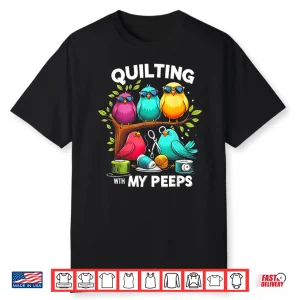
Quilting
You save

You save
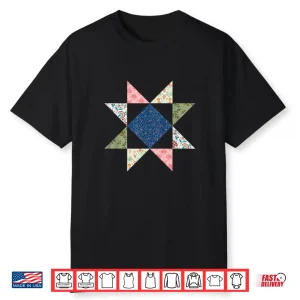
Quilting
You save

You save

You save

You save

You save