
Building Community Bonds: Why the 4th of July Remains a Vital Cultural Pillar lies in the unique capacity of the holiday to serve as a societal anchor in an era of rapid technological change and increasing social fragmentation. Every year, as the summer heat settles over the United States, citizens emerge from the isolation of their personal routines to participate in a collective ritual of national identity. This is not merely a celebration of a historical date; it is a vital mechanism for reinforcing the social contracts that hold a diverse, sprawling republic together. By examining why this tradition persists, we gain insight into the human need for shared experiences, common history, and the continuous renewal of community spirit.
Part I: The Anatomy of a Cultural Pillar
A cultural pillar is an institution or practice that remains stable and relevant despite the shifting tides of political discourse and economic fluctuation. The Fourth of July has achieved this status because it occupies a space that is both personal and public, celebratory and reflective.
The Role of Shared Memory
Human beings are narrative creatures. We construct our identities through stories, and a nation is nothing more than a collection of these shared stories. Independence Day serves as the annual recitation of our origin myth—the narrative of 1776. Whether that narrative is viewed through a lens of revolutionary triumph or one of ongoing struggle, the act of acknowledging that origin together is what creates cohesion. It provides a common reference point that bridges generational and ideological divides.
The Geography of Gathering
Unlike holidays centered around the household, the Fourth of July is inherently civic. It draws people out of their homes and into public spaces—parks, town squares, and parade routes. This “geography of gathering” is essential. When neighbors stand shoulder-to-shoulder to watch a local marching band, they are participating in a physical manifestation of unity. They are reminded, however briefly, that they inhabit the same community and share a stake in the same local and national future.
Part II: The 40 Principles of Community Cohesion
These principles serve as the framework for Building Community Bonds: Why the 4th of July Remains a Vital Cultural Pillar, helping us understand how rituals foster societal stability.
-
“Building Community Bonds: Why the 4th of July Remains a Vital Cultural Pillar is essential for maintaining a sense of shared belonging.”
-
“Ritual acts are the glue that prevents individualistic societies from drifting apart.”
-
“Public space, when used for communal celebration, becomes a sanctuary of unity.”
-
“Shared history is the foundation of collective empathy.”
-
“A diverse society thrives when it can celebrate common principles while respecting distinct experiences.”
-
“Small-town traditions are often the most effective engines of social trust.”
-
“Civic participation begins with the simple act of showing up in the community.”
-
“The repetition of annual celebrations creates a sense of temporal stability.”
-
“Intergenerational transfer of tradition is the primary way national values endure.”
-
“Hospitality is a revolutionary virtue in a polarized world.”
-
“Shared joy is a potent antidote to societal anxiety.”
-
“Civic identity is strengthened when people feel they have a role in the broader national story.”
-
“The local parade is a microcosm of the democracy’s diverse, democratic identity.”
-
“Tradition allows us to transcend our daily, narrow interests.”
-
“A community that plays together is better equipped to govern together.”
-
“Public displays of patriotism remind us of the immense cost of our freedoms.”
-
“The act of gathering represents a rejection of division and a commitment to unity.”
-
“Civic education is best delivered through the narrative of shared experience.”
-
“Nature provides the backdrop for our most profound expressions of liberty.”
-
“Community feasts acknowledge our shared prosperity and responsibilities.”
-
“Respect for history is the highest honor of the Fourth.”
-
“A thriving society finds joy in the stability of its foundational institutions.”
-
“Generational continuity is achieved through the deliberate practice of shared rituals.”
-
“Optimism for the future is fueled by a grounded appreciation of the past.”
-
“Firework displays are a modern echo of the revolutionary spirit’s brilliance.”
-
“Localized traditions hold more meaning than centralized, mass events.”
-
“Integrity in our celebrations reflects the integrity of our national character.”
-
“Neighborliness is a virtue that reinforces democratic stability.”
-
“Gratitude for the past is the best foundation for future courage.”
-
“Tradition allows us to transcend differences and focus on common goals.”
-
“The democratic process is strengthened by informal bonds at the local level.”
-
“Independence Day is a day of rededication to shared responsibilities.”
-
“Children learn the meaning of liberty by witnessing the reverence of their elders.”
-
“Celebration is not a luxury; it is a necessity for the body politic.”
-
“Symbols of our heritage serve as the visual language of our unity.”
-
“Reflection on progress is as vital as the celebration of origins.”
-
“Heritage is an active process of refinement, not a static record.”
-
“Authenticity in practice builds the trust necessary for a functional society.”
-
“The goal of tradition is to ensure the flame of liberty never flickers.”
-
“Unity is not the absence of difference, but the presence of a shared purpose.”
Part III: The Modern Threat to Community Bonds
In the current era, we face unprecedented challenges to the very bonds the Fourth of July seeks to strengthen. The rise of digital isolation, the polarization of political discourse, and the fracturing of our shared information ecosystem have made the physical gathering more important than ever.
The Digital Paradox
We are more “connected” than any generation in history, yet reports of loneliness and social isolation are at record highs. Digital platforms provide the illusion of connection without the substance of community. An online interaction is transactional and ephemeral; a physical gathering in a town park is relational and enduring. The Fourth of July acts as a necessary corrective to this digital drift, pulling citizens back into the physical world where they must negotiate their differences in real-time, face-to-face.
The Polarization Challenge
When society is polarized, we tend to view those with opposing views as fundamentally “other.” Traditions like the Fourth of July are crucial because they remind us that our shared identity—as neighbors, as residents of a town, and as citizens of the nation—precedes and transcends our political alignments. By prioritizing the collective experience of the holiday, we create a context where the person next to you at a parade is a neighbor first, and a political opponent a distant, or non-existent, second.
Part IV: The Role of Local Civic Leadership
The durability of this cultural pillar relies heavily on the work of local civic leaders—mayors, event planners, small business owners, and community volunteers. They are the architects of the community bonds we celebrate.
Designing Inclusive Rituals
To keep the Fourth of July relevant, local leaders must ensure that celebrations are inclusive of the entire community. As communities evolve in their demographic and cultural composition, the rituals must also evolve to reflect that reality. This is not about changing the spirit of the day; it is about expanding the table. When everyone feels invited to participate in the national story, the bond of community is tightened rather than loosened.
The Importance of Volunteering
The labor involved in a town parade or a concert in the park is almost entirely voluntary. This volunteering is, in itself, a form of civic participation that strengthens the community. The people who spend their time organizing these events are the unsung heroes of our social infrastructure. They are proving, through action, that their town is a place worth investing in.
Part V: Historical Literacy as a Community Value
A vital cultural pillar must be rooted in truth. The Fourth of July is a powerful community builder because it forces us to confront our history.
The Complexity of Our Story
We honor the Fourth of July most effectively when we engage with the complexities of our past. We acknowledge the ideals that were proposed in 1776, even while recognizing the catastrophic failures that existed in 1776. This historical literacy is a community asset. It creates a space for mature, grounded dialogue about the progress we have made and the work that remains. When a community can handle the truth of its own history, it becomes more resilient, more compassionate, and better prepared for the future.
Tradition as a Living Process
We must reject the idea that our traditions are static. A healthy cultural pillar is a living process, one that we refine and improve with every passing year. By teaching the next generation to be critical thinkers and active stewards of history, we ensure that our community bonds are not based on blind dogma, but on a shared, earned commitment to the ideals of the republic.
Part VI: Strengthening Social Resilience
Ultimately, the reason Building Community Bonds: Why the 4th of July Remains a Vital Cultural Pillar is because it contributes to social resilience. A resilient society is one that can absorb shocks—economic, environmental, or political—without fracturing.
Social Capital
Sociologists often use the term “social capital” to describe the networks of relationships that allow a society to function effectively. These relationships are built on trust, and trust is built through interaction. Every time we attend a block party, support a local business, or join a town gathering, we are investing in our community’s social capital. The Fourth of July is the high-water mark for these investments.
The Anchor of Stability
When the world feels volatile, returning to the tried-and-true rhythms of a national holiday provides a profound sense of stability. It reminds us that there are certain things that remain constant: the seasons, the law, our relationships, and our commitment to each other. This stability is essential for the mental and civic health of the nation.
Part VII: Expanding the Vision of the Fourth
How can we build upon the success of this cultural pillar in the years to come? We should look for ways to deepen the impact of our celebrations.
Beyond the Day
We can work to ensure that the spirit of the Fourth—cooperation, mutual respect, and civic engagement—persists for the other 364 days of the year. This could involve using the holiday to launch local service projects, initiate town hall meetings, or foster collaborations between local organizations. If we treat the Fourth as a starting point for civic improvement rather than the end point, we significantly increase the value of our community bonds.
The Digital Bridge
We should also find ways to use digital technology to support rather than replace our physical gatherings. Online platforms can be used to coordinate local volunteers, share local historical stories, or foster communication between neighborhood organizations. By using technology to facilitate real-world interaction, we harness the power of the future to support the vital traditions of our past.
Part VIII: The Future of the American Experiment
The American experiment is essentially a bet on the ability of people to govern themselves. For that bet to win, we must be a people capable of forming bonds.
The Necessity of Deliberation
A democracy is not a spectator sport. It requires the constant, active deliberation of its citizens. The Fourth of July is a reminder that we are the active agents of our own destiny. We are not passengers on a ship directed by others; we are the crew. Building community bonds is the prerequisite for effective crew coordination.
A Renewed Commitment
Let us commit to making this upcoming Fourth of July a catalyst for connection. Let us look for the people in our communities we don’t know, and initiate the conversations that build trust. Let us dedicate ourselves to the institutions and rituals that make our communities strong. By doing so, we are participating in the most important work of our time—the work of building a more cohesive, resilient, and principled society.
Conclusion: The Enduring Value of Connection
Building Community Bonds: Why the 4th of July Remains a Vital Cultural Pillar is not a static observation; it is a call to action. We have navigated the reasons why this holiday acts as an essential anchor, the challenges posed by modern life, and the strategies for strengthening our communities. The resilience of the Fourth of July is a testament to the persistent human desire for connection and the enduring relevance of our shared national values.
As we look toward the future, let us cherish the rituals that bring us together. Let us understand that every parade, every concert, and every shared meal is a building block for the kind of society we all want to live in—a society where we are neighbors in deed as well as in proximity. The spirit of the Fourth is a call to stand together, to value our shared history, and to work with purpose toward a future defined by the same principles that once birthed a revolution. In a world that is often fractured and uncertain, the act of coming together as a community is a radical, profound, and absolutely essential expression of our commitment to one another. Let us continue to build those bonds, one Fourth of July at a time, ensuring that the pillar of our culture remains as strong as the ideals it celebrates.

Independence Day 4th Of July
Vintage 250 Years 1776 2026 Patriotic Eagle American Flag Shirt
You save

Independence Day 4th Of July
250Bd Anniversary Usa 250 Year America Patriotic 4Th Of July Shirt
You save

Independence Day 4th Of July
Boop Vintage Usa Girl And Eagle Funny Patriotic Retro Art Premium Tri Blend Shirt
You save

Independence Day 4th Of July
Mens Drink The Booze Light The Fuse 4Th Of July Fireworks Performance Shirt
You save
Independence Day 4th Of July
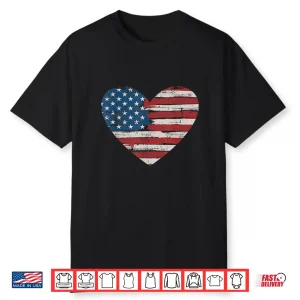
Us American Flag Heart For Independence Day On 4Th Of July Shirt
You save
Independence Day 4th Of July
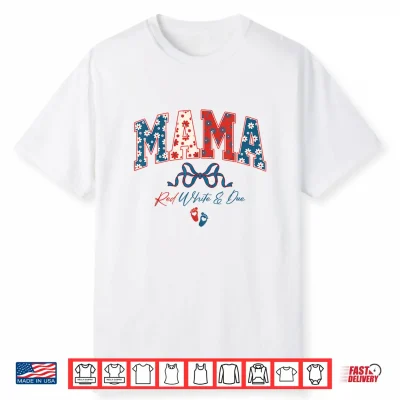
Coquette Bow Mama Red White And Due 4Th Of July Pregnancy Shirt
You save

Independence Day 4th Of July
No Kings In America Since 1776 Patriotic Independence Day Shirt
You save

Independence Day 4th Of July
Vintage Usa Flag 250Th Anniversary Independence Day Freedom Shirt
You save